
Table of Contents
There’s nothing quite like the satisfaction of baking a fresh loaf of homemade bread. This soft sandwich bread recipe is perfect for anyone looking to make a fluffy, light, and delicious loaf right from the comfort of their kitchen. Whether you’re an experienced baker or a beginner trying bread-making for the first time, this guide will walk you through all the steps, tips, and variations needed to create the perfect sandwich bread.
With easy-to-follow instructions, answers to common questions, and valuable tips on storage and variations, you’ll never look at store-bought bread the same way again. Plus, we’ll include valuable internal links to other relevant recipes that will expand your cooking skills and ensure your kitchen is always buzzing with delicious creations.
Why You Should Make a Soft Sandwich Bread Recipe at Home
Baking your own bread comes with a variety of benefits, especially when following this soft sandwich bread recipe:
- Control Over Ingredients: When you bake your own bread, you can ensure that every ingredient is fresh and free from unnecessary preservatives. You can also tailor the recipe to your dietary preferences by using organic flour, less sugar, or adding nutritious ingredients like seeds or whole grains.
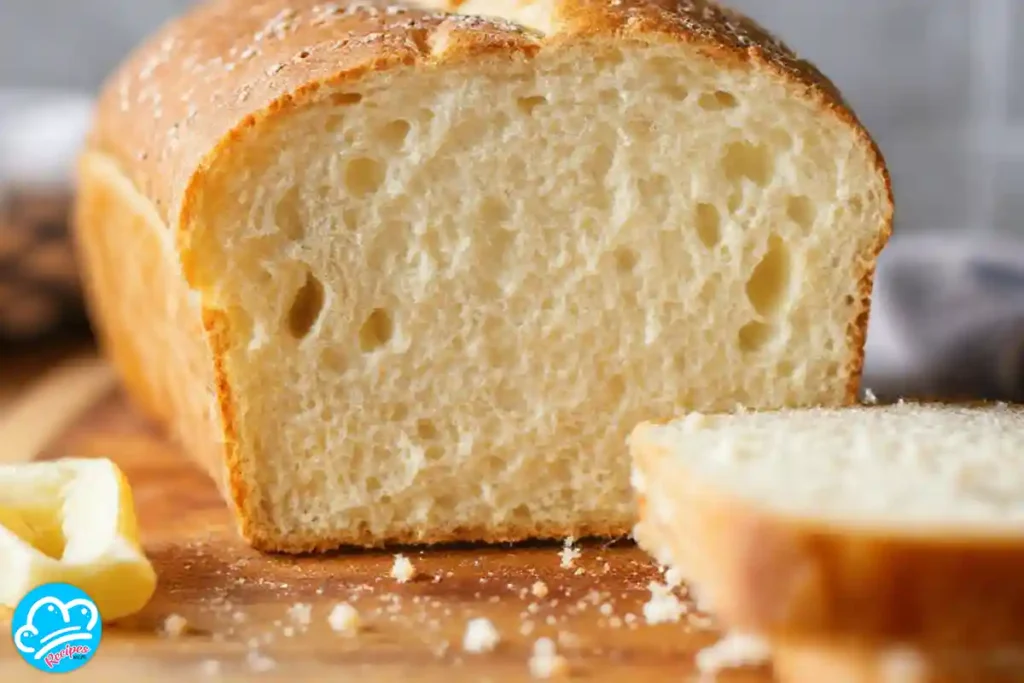
- Better Taste and Texture: Homemade bread is fresher and softer than most store-bought options. The soft sandwich bread recipe ensures a light, fluffy loaf that’s perfect for sandwiches, toast, or simply enjoying warm with butter.
- Cost-Effective: Baking your own bread can be more economical than buying premium loaves at the store, especially if you bake regularly.
- Satisfying and Fun: Bread-making is an enjoyable, hands-on process that leaves you with a sense of accomplishment—and the delightful aroma of freshly baked bread filling your home.
Homemade soft sandwich bread can also serve as a base for a variety of meals. For example, if you’re preparing summer meals, you might enjoy this recipe alongside a refreshing Bug Juice Camp Drink.
By mastering this soft sandwich bread recipe, you’ll have the foundation to expand your baking skills and explore other bread recipes, such as sourdough or whole wheat loaves, with ease. For more detailed instructions and additional tips, check out this comprehensive sandwich bread recipe from King Arthur Baking.
Key Ingredients for a Perfect Soft Sandwich Bread Recipe
The ingredients for this soft sandwich bread recipe are simple and likely already in your kitchen. Each one plays a vital role in creating the perfect loaf:
- Bread Flour: For the softest, fluffiest sandwich bread, bread flour is ideal due to its higher protein content, which helps develop gluten. However, you can substitute all-purpose flour if needed.
- Yeast: You can use either active dry yeast or instant yeast. Yeast is the key to making your bread rise, giving it that light and airy texture.
- Sugar: A small amount of sugar feeds the yeast, helping it activate and contributing to the soft texture and flavor of the bread.
- Salt: Salt balances the sweetness and enhances the overall flavor of your bread.
- Butter or Oil: Fat helps create a tender crumb and keeps the bread moist. Butter adds a rich flavor, while oil keeps the texture soft and light.
- Milk or Water: Using milk results in a richer and softer loaf, while water produces a slightly lighter bread. Both work well depending on your preference.
- Optional Add-ins: To customize your soft sandwich bread recipe, you can include whole grains, seeds, or herbs for additional flavor and nutrition.
Tools You Need for the Soft Sandwich Bread Recipe
Before you start baking, ensure you have the right tools on hand. These are essential for making the process smooth and successful:
- Loaf Pan: A standard 9×5-inch loaf pan is perfect for this recipe. It will give your bread the classic sandwich loaf shape.
- Mixing Bowls: You’ll need bowls for mixing and rising the dough.
- Thermometer: Checking the internal temperature of the bread is the best way to ensure it’s fully cooked. The ideal internal temperature is 190-200°F.
- Stand Mixer: While not necessary, a stand mixer with a dough hook attachment makes kneading easier.
- Measuring Cups and Spoons: Accuracy is key in baking, so measuring your ingredients carefully is crucial.
Step-by-Step Instructions for Making Soft Sandwich Bread
1. Activate the Yeast
To start your soft sandwich bread recipe, you’ll need to activate the yeast. If you’re using active dry yeast, dissolve it in warm water (around 110°F) with a pinch of sugar. Let it sit for about 5-10 minutes until it becomes foamy, which means the yeast is active. If you’re using instant yeast, you can mix it directly with the dry ingredients.
2. Mix the Dough
In a large mixing bowl, combine the flour, sugar, salt, and yeast. Slowly add in the milk (or water) and melted butter (or oil). Stir until the mixture comes together and forms a dough. You can use a wooden spoon or your hands, but a stand mixer with a dough hook makes this step quicker and easier.
3. Knead the Dough
Kneading is an essential step in this soft sandwich bread recipe because it helps develop the gluten, which gives the bread its structure. Knead the dough by hand for about 8-10 minutes on a lightly floured surface or for 5-7 minutes in a stand mixer. The dough should feel smooth and elastic when it’s ready. To test if it’s kneaded enough, perform the windowpane test: stretch a small piece of dough, and it should form a thin, translucent membrane without tearing.
4. First Rise
Place the dough in a lightly greased bowl, cover it with a clean kitchen towel or plastic wrap, and let it rise in a warm place for about 1-2 hours or until it doubles in size. The warmth helps the yeast to ferment and rise, creating a fluffy loaf. A good spot for the dough to rise is on top of the fridge or inside an oven with the light on.
5. Shape the Dough
Once the dough has risen, gently punch it down to release any trapped air. Shape the dough into a log by rolling it out into a rectangle and folding it into thirds. This method helps create a uniform crumb structure. Place the shaped dough into a greased loaf pan.
6. Second Rise
Cover the loaf pan with a towel or plastic wrap and let the dough rise again for 45 minutes to an hour, or until it’s slightly above the edge of the pan. This second rise is crucial for achieving the soft texture in your sandwich bread.
7. Bake the Bread
Preheat your oven to 375°F. Bake the loaf for 30-35 minutes, or until the top is golden brown and the internal temperature reaches 190-200°F. If the top is browning too quickly, you can tent the bread with aluminum foil during the last 10 minutes of baking to prevent burning.
8. Cool and Slice
Remove the bread from the oven and let it cool in the pan for about 10 minutes before transferring it to a wire rack. Allow the bread to cool completely before slicing to avoid crushing the soft crumb. Now, your soft sandwich bread recipe is complete, and you’re ready to enjoy fresh, homemade bread!
Variations of the Soft Sandwich Bread Recipe
Once you’ve mastered the basic soft sandwich bread recipe, you can experiment with different variations to suit your taste and dietary needs. Here are a few popular adaptations:
Whole Wheat Sandwich Bread
For a healthier twist, substitute half of the bread flour with whole wheat flour. Whole wheat flour adds more fiber and nutrients, making your loaf denser and more nutritious. If you want to keep the bread light and fluffy, consider adding a tablespoon of vital wheat gluten when using whole wheat flour.
Sourdough Sandwich Bread
If you prefer a tangy flavor, swap out the yeast for a sourdough starter. Sourdough bread has a chewier texture and a deeper, more complex flavor thanks to the natural fermentation process. It may take a little longer, but the result is worth the wait.
Buttermilk Sandwich Bread
Buttermilk adds a subtle tang and makes the bread extra soft and moist. Replace the milk or water in your soft sandwich bread recipe with buttermilk for this variation. The acidity of the buttermilk will also help tenderize the gluten in the dough, resulting in a tender crumb.
Gluten-Free Sandwich Bread
If you or someone in your family is gluten-sensitive, you can modify this recipe to be gluten-free. Use a gluten-free all-purpose flour blend that includes xanthan gum or another binder to help mimic the structure that gluten provides. The result is a delicious loaf that everyone can enjoy, even if they have dietary restrictions.
Storing and Freezing Your Soft Sandwich Bread
One of the best parts of baking bread at home is having fresh, homemade bread on hand whenever you need it. Here’s how to store and freeze your loaf to keep it fresh:
- Storing at Room Temperature: Store your soft sandwich bread in an airtight container, plastic bag, or bread box at room temperature. It will stay fresh for up to 4 days.
- Freezing the Bread: To freeze, slice the loaf before placing it in a freezer-safe bag. Freezing individual slices makes it easier to thaw just what you need. The bread will stay fresh in the freezer for up to 3 months.
Troubleshooting Common Bread Issues
Even with the best intentions, sometimes bread doesn’t turn out as expected. Here are some common issues and how to fix them:
Dense or Heavy Bread
If your bread is dense, it’s likely due to under-kneading or the dough not rising properly. Ensure that you knead the dough for the recommended time to develop the gluten, and make sure the dough rises in a warm, draft-free environment.
Bread Didn’t Rise
If your bread didn’t rise as expected, check the expiration date on your yeast. Old yeast may not activate properly. Additionally, make sure the water you used to activate the yeast wasn’t too hot, as this can kill the yeast.
Thick Crust
If the crust of your bread turns out too thick or hard, you may have overbaked it. Check your oven temperature with an oven thermometer, as some ovens run hotter than indicated. If the top browns too quickly, tent the loaf with foil during the last part of baking.
FAQs About Soft Sandwich Bread
Here are some frequently asked questions about the soft sandwich bread recipe:
- How can I make my sandwich bread softer?
To achieve an even softer loaf, use milk instead of water and add a bit more butter or oil. Both ingredients help to create a tender crumb. - Why did my bread turn out dense?
Dense bread is usually caused by under-kneading or insufficient rise time. Make sure to knead the dough long enough and allow it to rise in a warm environment. - Can I use whole wheat flour in a soft sandwich bread recipe?
Yes, you can substitute part or all of the white flour with whole wheat flour. However, the bread may be denser. Adding vital wheat gluten can help lighten the texture. - What’s the best way to store homemade bread?
Store your homemade bread in an airtight container or plastic bag at room temperature. For longer storage, freeze individual slices. - How long should I knead the dough?
Knead the dough for about 8-10 minutes by hand or 5-7 minutes in a stand mixer. The dough should feel smooth and elastic when properly kneaded.
Conclusion
With this comprehensive guide, you’re now ready to master the soft sandwich bread recipe and enjoy the many benefits of homemade bread. Whether you prefer a classic white loaf, whole wheat, or a sourdough variation, this recipe serves as the foundation for creating bread that’s perfect for sandwiches, toast, or simply enjoying on its own.
By experimenting with different ingredients and techniques, you’ll quickly become a bread-baking expert. Remember, bread-making is both an art and a science—so take your time, enjoy the process, and relish in the delicious results!