

Table of Contents
Swordfish is a beloved choice among seafood enthusiasts, known for its firm texture and rich flavor. However, there’s a common debate among cooks: Should you remove swordfish skin before cooking? This simple question sparks much discussion, and the answer can significantly impact the texture, flavor, and overall enjoyment of the dish. In this article, we’ll explore the pros and cons of removing swordfish skin, the best cooking methods, and provide answers to frequently asked questions. By the end, you’ll be better equipped to decide whether removing the skin is the best option for your swordfish recipe.
Understanding Swordfish Skin: Is Swordfish Skin Edible and Safe to Cook With?
Swordfish skin is thick and somewhat rubbery, making it a topic of discussion among chefs and home cooks alike. While the skin is technically edible, it is often removed due to its toughness and chewy texture. Some cooks argue that leaving the skin on can enhance the overall flavor and help retain the fish’s moisture during cooking, while others find it difficult to eat because of the texture.
Is swordfish skin edible?
Yes, swordfish skin is technically edible, but it’s often removed due to its tough, rubbery texture, which can be unpleasant. However, the skin does contain nutrients and can be enjoyed if prepared properly. The texture becomes more manageable when grilled or crisped up, but in many cooking methods, it is left behind for a more tender, pleasant experience.
When deciding whether to remove swordfish skin, it’s essential to consider how it might affect the cooking process and the final dish. For example, the article on How to Cook Swordfish Properly provides insights into the benefits of leaving the skin on during grilling or broiling. On the other hand, grilling swordfish without the skin might provide a better texture, depending on your preference.
Pros and Cons of Removing Swordfish Skin Before Cooking
Benefits of Removing Swordfish Skin Before Cooking
Improved Texture and Flavor
Should you remove swordfish skin before cooking? Removing the skin can result in a smoother texture and a cleaner flavor profile. For many cooks, the skin’s rubbery and tough texture detracts from the delicate nature of the swordfish meat. If you are aiming for a tender, melt-in-your-mouth experience, removing the skin before cooking is a great choice. Swordfish without skin tends to have a softer, more consistent texture that some people prefer over the more fibrous skin.
Ease of Eating
Should you remove swordfish skin before cooking? Without the skin, swordfish becomes much easier to cut and eat. The skin, especially when left on after cooking, can be tough to chew and may require additional effort to remove. For dishes that involve cutting the fish into pieces, such as in tacos, pasta dishes, or seafood salads, removing the skin beforehand simplifies the process. The fish becomes more manageable to cut into even portions, making it a more enjoyable eating experience.
Avoiding Rubbery Texture
One of the most common complaints when leaving swordfish skin on is the rubbery texture it can cause. If not cooked properly, the skin becomes chewy and unpleasant. By removing the skin before cooking, you can avoid this issue altogether. This is particularly important when preparing dishes where a delicate, tender bite is desired, such as pan-seared swordfish or baked swordfish fillets.
Advantages of Cooking Swordfish With the Skin On
Protection During Cooking
The skin of swordfish acts as a protective barrier, especially when using high-heat cooking methods such as grilling or broiling. Swordfish is a dense fish that can dry out quickly if overcooked, and the skin helps prevent this by sealing in moisture. When you cook swordfish with the skin on, you’re more likely to achieve a moist, flavorful result. The skin also helps keep the fish together, which can be helpful when grilling, where delicate fish fillets might fall apart.
Enhanced Flavor
Some chefs and home cooks argue that leaving the skin on while cooking enhances the flavor of the fish. The skin locks in the fish’s natural juices, allowing it to stay moist while the surface crisps up, creating a richer, more complex flavor. For instance, grilling swordfish with the skin on adds a smoky, charred taste that many people find delicious. The skin can also create an appealing contrast in texture with the tender meat underneath. Should you remove swordfish skin before cooking?
Post-Cooking Removal
If you’re still unsure about whether to keep the skin on, the good news is that you can always remove the skin after cooking. After the fish has been grilled, broiled, or baked, the skin is often much easier to peel off. It’s possible to enjoy the benefits of cooking with the skin on—such as enhanced flavor and moisture retention—while avoiding the potential rubbery texture when eating. Once the swordfish is cooked, simply peel the skin off with a knife or your fingers for a clean finish.
For those struggling with rubbery swordfish, the article on Why Is My Swordfish Rubbery? offers helpful tips on how to cook swordfish properly, whether with or without the skin.
Best Cooking Methods When Removing Swordfish Skin
How to Pan-Sear Swordfish Without Skin
Instructions:
- Preheat a pan over medium-high heat with a small amount of oil.
- Season the swordfish with salt and pepper.
- Sear for 3-4 minutes per side, until the flesh is opaque and just beginning to flake.
Benefits:
Searing swordfish without the skin creates a beautiful, crisp, golden crust on the outside, while the inside remains tender and juicy. Without the skin, it’s easier to achieve a perfect sear, which enhances the flavor and texture of the fish.Should you remove swordfish skin before cooking?
Baking Swordfish Without the Skin for Perfect Texture
Instructions:
- Preheat the oven to 400°F (200°C).
- Place the swordfish on a baking sheet lined with parchment paper.
- Season with herbs, salt, and pepper.
- Bake for 12-15 minutes, or until the fish reaches an internal temperature of 130°F (54°C).
Benefits:
Baking swordfish without the skin ensures even cooking and easy clean-up. The fish remains tender and juicy, with no risk of a rubbery texture from the skin. This method is perfect for those looking to prepare swordfish for dishes like pasta or salads.
Grilling Swordfish Without Skin: Tips for a Perfect Cook
Instructions:
- Preheat the grill to medium-high.
- Lightly oil the grill grates.
- Grill the swordfish for 3-4 minutes per side.
Benefits:
Grilling swordfish without the skin allows the fish to achieve a beautiful char while keeping the inside moist and tender. The skinless fillets cook more evenly and are less likely to become rubbery compared to when the skin is left on.Should you remove swordfish skin before cooking?
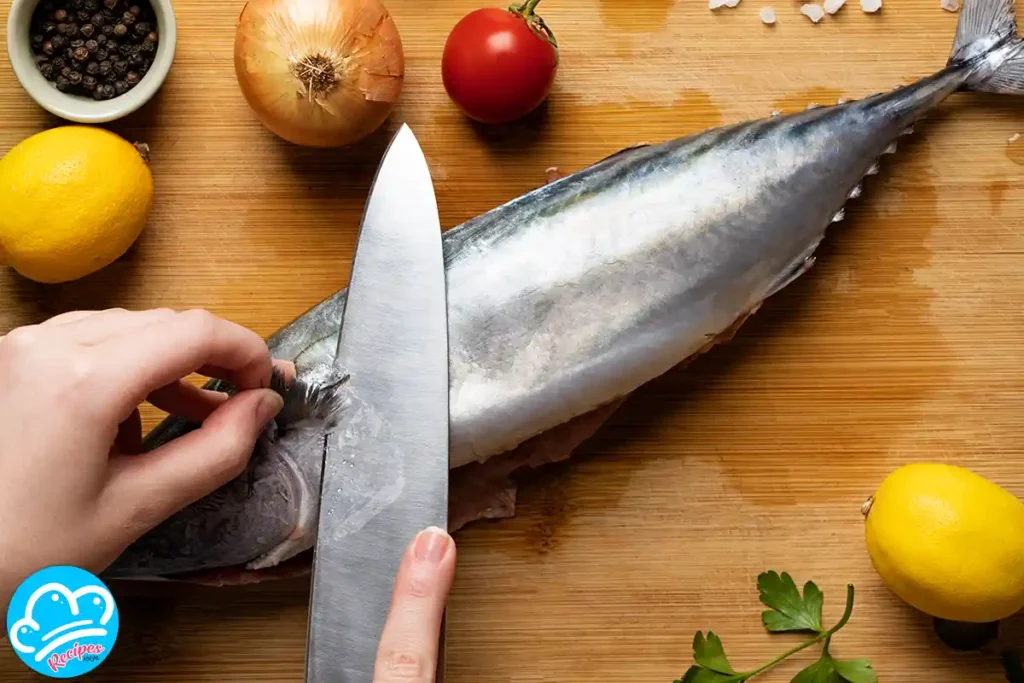
Best Cooking Methods When Leaving Swordfish Skin On
Grilling Swordfish With Skin: How to Achieve Moist and Flavorful Fish
Instructions:
- Preheat the grill to high.
- Place the swordfish skin-side down and grill for 5-6 minutes before flipping.
- Grill until the fish is opaque and flakes easily with a fork.
Benefits:
The skin helps protect the fish from the intense heat of the grill, ensuring the meat stays moist and flavorful. The skin crisps up nicely, providing a pleasant contrast in texture to the tender fish underneath. If you like your swordfish with a smoky, charred flavor, grilling with the skin on is an excellent method.Should you remove swordfish skin before cooking?
Broiling Swordfish With Skin: A Step-by-Step Guide
Instructions:
- Preheat the broiler.
- Place the swordfish skin-side down on a broiler pan.
- Broil for 4-5 minutes per side, or until the fish is cooked through.
Benefits:
Broiling swordfish with the skin on helps keep the fish tender and prevents it from drying out. The high heat of the broiler gives the skin a nice crispness, which adds a delicious flavor and texture to the dish.
How to Remove Swordfish Skin After Cooking
Instructions:
- After grilling or broiling, allow the swordfish to rest for a few minutes.
- The skin can then be easily peeled away before serving.
Benefits:
This method allows you to enjoy the benefits of cooking with the skin on—such as moisture retention and enhanced flavor—while avoiding the tough texture of the skin when eating. Once the fish has rested, removing the skin is a simple process, ensuring a clean, flavorful dish.Should you remove swordfish skin before cooking?
Frequently Asked Questions
Is swordfish skin edible?
Yes, swordfish skin is technically edible, but it’s often considered too tough and rubbery to enjoy. Some people do eat it, particularly when it is crisped, but most chefs prefer to remove it for better texture and flavor.Should you remove swordfish skin before cooking?
What are the benefits of cooking swordfish with the skin on?
Cooking with the skin on helps retain moisture, enhances flavor, and protects the fish from drying out during high-heat cooking methods like grilling and broiling. It also adds a crispy texture that can improve the overall dining experience.
How do you remove swordfish skin easily?
The easiest way to remove swordfish skin is after cooking. Once the fish has rested, the skin can be peeled away easily using a knife or your fingers.
Can leaving the skin on make swordfish rubbery?
Yes, if the swordfish skin isn’t cooked properly, it can cause the fish to develop a rubbery texture. However, when cooked correctly, the skin can enhance the flavor and moisture of the fish.
Conclusion
Should you remove swordfish skin before cooking? Whether or not to remove swordfish skin before cooking is a matter of personal preference, influenced by the desired texture, flavor, and presentation of the dish. By understanding the pros and cons of each approach and mastering the appropriate cooking techniques, you can ensure that your swordfish is perfectly cooked and delicious every time. Don’t be afraid to experiment with both methods to discover which one you prefer.
Experimenting with different cooking methods and deciding whether to remove the skin will help you determine what works best for your swordfish dish. Ultimately, it’s about finding the cooking technique that allows you to enjoy swordfish at its most flavorful and tender, whether with or without the skin.
For further tips on perfecting your swordfish, check out this comprehensive swordfish recipe guide.
For more recipes chek Dinner Category